Very good spot where the staff and waiters are very hardworking, kind, and friendly!!! There is also an English menu and it’s very affordable. The drinks are also good for a buzz; I got a couple high balls and the food was so good while drinking. If you see the other foreigner’s low reviews, they don’t know what they’re talking about! This place definitely has a local vibe inside and if you ain’t cool with it go somewhere else! This place definitely gets you immersed in the drinking and eating culture in Japan. Learn a little Japanese phrases for ordering and the rest is smooth sailing. Love from Guam!!!
Overview
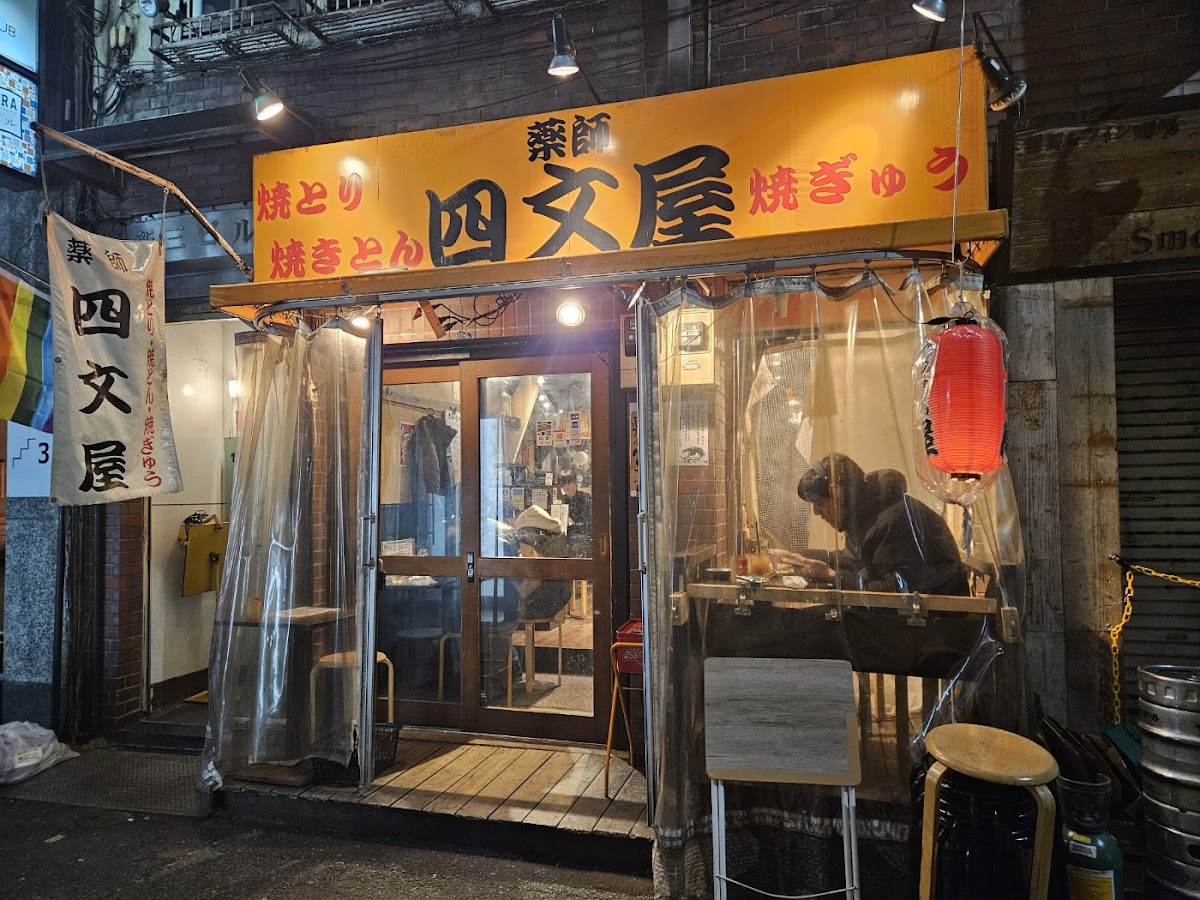
Walking through the neon thrum of Shinjuku after sunset, I ducked into Shimonya (Shinjuku) on a rainy weeknight, the kind of evening when you want smoke, warmth, and food that doesn’t pretend to be anything it’s not. The place sits at 〒160-0022 Tokyo, Shinjuku City, Shinjuku, 3 Chome−17−21 新三ビル, a few minutes from the station, and it feels like a neighborhood diner that regulars protect like a secret. I’ve eaten yakitori across Tokyo for work and for fun, and this spot lands squarely in the category of honest, practiced cooking that prioritizes flavor over flash.
The menu reads like a checklist of classics done right: chicken skewers kissed by charcoal, grilled vegetables, simple sides, and a short list of drinks that pair without stealing the show. What stood out to me immediately was the timing at the grill. The chef turns each skewer with an unhurried rhythm, brushing tare only when the surface is ready, a process that keeps the meat juicy and the glaze caramelized instead of burnt. This is the kind of yakitori mastery that culinary schools explain on paper, but you only really learn by standing over coals for years.
I ordered a spread that mirrors what locals seem to favor: thigh for richness, negima for balance, skin for crunch, and a plate of seasonal vegetables. The seasoning is restrained, leaning on salt and smoke, which aligns with guidance from Japanese culinary institutes that emphasize ingredient quality and heat control over heavy sauces. According to the Japanese Culinary Academy, traditional grilling relies on steady binchotan-style heat to lock in moisture; while I can’t confirm the exact charcoal used here, the texture suggests a similar approach. The result is clean flavors that don’t tire your palate.
What makes the experience click is how approachable everything feels. The staff are quick with recommendations, and when I asked about the house tare, I got a practical explanation rather than a guarded secret. It’s refreshed daily, built up over time, and adjusted for humidity and crowd volume. That kind of transparency builds trust, and it echoes food safety and quality principles often highlighted by organizations like Japan’s Food Safety Commission, which stress consistency and freshness in professional kitchens.
Reviews from locals back up what I tasted. Regulars praise the reliability and the price-to-portion ratio, especially compared to trendier yakitori bars nearby. One repeat diner told me they stop in weekly because the menu doesn’t chase fads; it respects the diner’s time. That matches my experience. Even on a busy night, orders moved smoothly, and nothing felt rushed.
The location matters, too. Being in Shinjuku means competition is fierce, and only places with a loyal following survive long-term. This diner has that lived-in buzz: solo diners at the counter, small groups sharing plates, the hum of conversation layered over the grill’s crackle. It’s not a destination restaurant with reservations weeks out, and that’s part of the charm. You can wander in, eat well, and leave satisfied.
If there’s a limitation worth noting, it’s that the menu sticks close to tradition. Adventurous eaters looking for experimental flavors might find it conservative. For everyone else, that focus is the point. When you want dependable yakitori, a welcoming room, and cooking grounded in proven methods, this place delivers without drama.
Later in the week, I returned with a colleague visiting from Osaka, someone notoriously picky about grilled chicken. We ordered nearly the same spread, and the verdict was simple: solid technique, fair prices, and flavors that hold up across visits. In a city overflowing with options, that kind of consistency is the real luxury.
Good to know
Service options
✓ Takeaway ✓ Dine-in ✓ DeliveryPopular for
✓ DinnerAccessibility
✓ Wheelchair-accessible car park ✓ Wheelchair-accessible entrance ✓ Wheelchair-accessible seating ✓ Wheelchair-accessible toiletOfferings
✓ Alcohol ✓ Beer ✓ Cocktails ✓ Small plates ✓ Spirits ✓ WineDining options
✓ Dinner ✓ Seating ✓ Table serviceAmenities
✓ Gender-neutral toilets ✓ Smoke-free place ✓ ToiletAtmosphere
✓ CasualCrowd
✓ Groups ✓ University studentsPlanning
✓ Accepts reservationsPayments
✓ Credit cards ✓ PayPay ✓ Credit cardsPhotos
1 / 4
Location
Reviews
- No ratings yet 534 reviews
We stumbled upon this gem of a yakitori place on this rainy night. The service was fast and efficient, and the place was equipped with a menu in EN (we chuckled at pork "river" but of course, we understood. And that was all that mattered). The vibe was chaotic yet systematic, which added to the lively and authentic experience. Although the smoke from the grills filled the air, it was still tolerable as we sat along the street side. We thought that the crispy chicken skin skewer was probably the weakest item we ordered. Aside, everything else was bussin.
Love the vibe... eating outside and your neighbors is just an elbow away. Love the yakitori, my favorite is the chicken skin and pork stomach and everything goes well with a cold beer
Recommended!!! Cheap, taste good, and energetic!!! I sat at the balcony so it was ok but if the waiter takes you inside, i think its pretty noisy. Maybe hard to hear your friend voice while talking…:( But overall this izakaya(japanese style bar) is good:)
This is where you go if you want a very local, authentic kushiyaki experience. It is located in an alley right next to the train. The tables are made from crates, but we loved it! There was an English menu and it was easy to order. Everything came out quick & was great! Really cheap too.
I found this place walking back from Shinjuku-sanchome station before it started raining and I am so glad I did. The food is excellent. The beer is ice cold and the staff are great. Animated, shouts from the head for the evening and responses from the team, it made for a lovely atmosphere. English menu available and there were no communication problems.
This is where locals go for Yakitori. There is one server who speaks Engish and there is English Menu. The skewers are delicious. Everyone has to order a drink. Restaurant is compact and smokey. Would definitely come back.